



Heritage can be a complicated word. For years, it's been wrapped up in assumptions; tartan tins, highland coos and tourist-shops - a version of Scotland that doesn’t quite reflect the creative reality. But true heritage isn’t cliché. It’s knowledge, practice and the patience required to make things properly.
When you look closely at Scotland’s craft traditions - weaving, metalwork, ceramics, printmaking - you see a lineage of skill rather than aesthetic. The thread that ties these disciplines together isn't pattern or palette, it’s care and attention to detail. The belief that materials matter, that time matters and good work is crafted slowly.
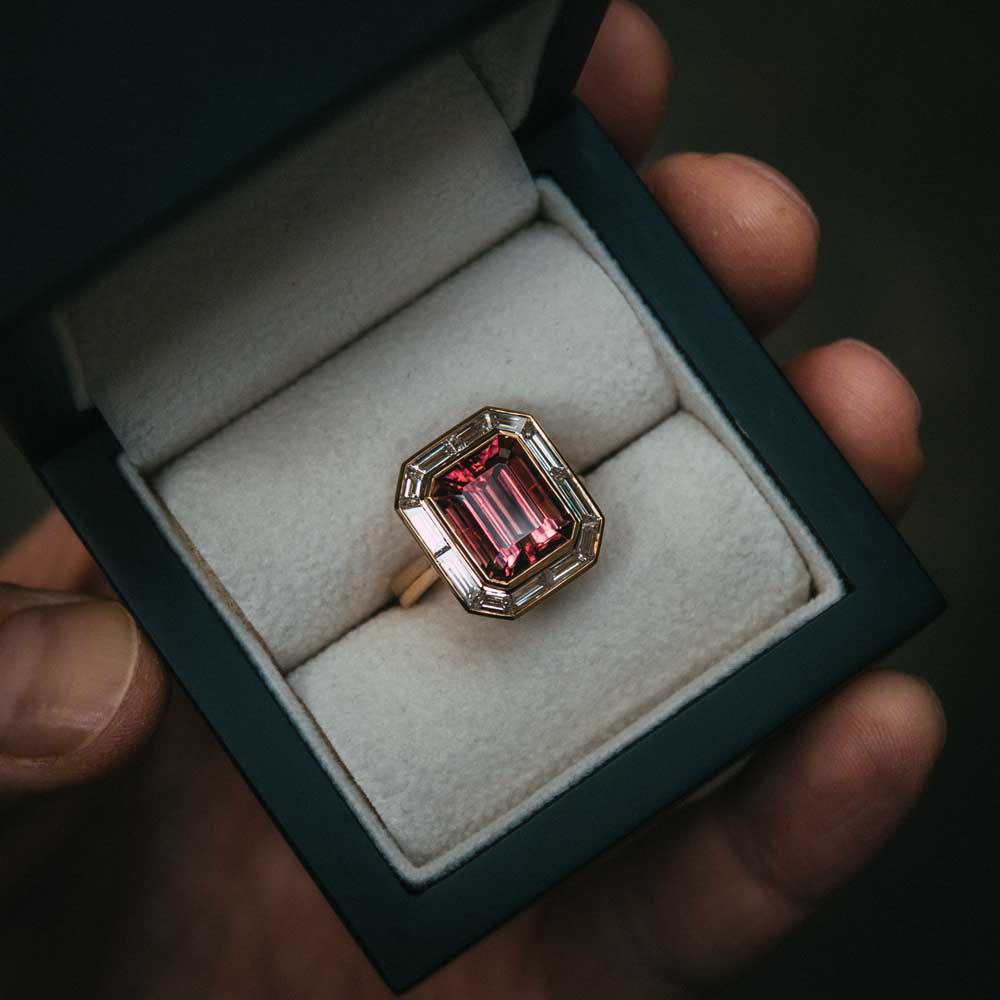
In jewellery, this mindset is invaluable. The best pieces are never hurried. They evolve slowly through lots of wee decisions: the angle of a setting, the relationship between curves the balance of tone between metal and stone. These details can’t be automated or scaled, they need a human touch.
Scotland’s contemporary designers embrace this form of heritage with confidence. Drawing inspiration from tradition, but not from stereotype; they treat heritage as a living practice rather than a museum exhibit. The result is work that feels modern yet grounded and pieces that honour the past without being limited by it.
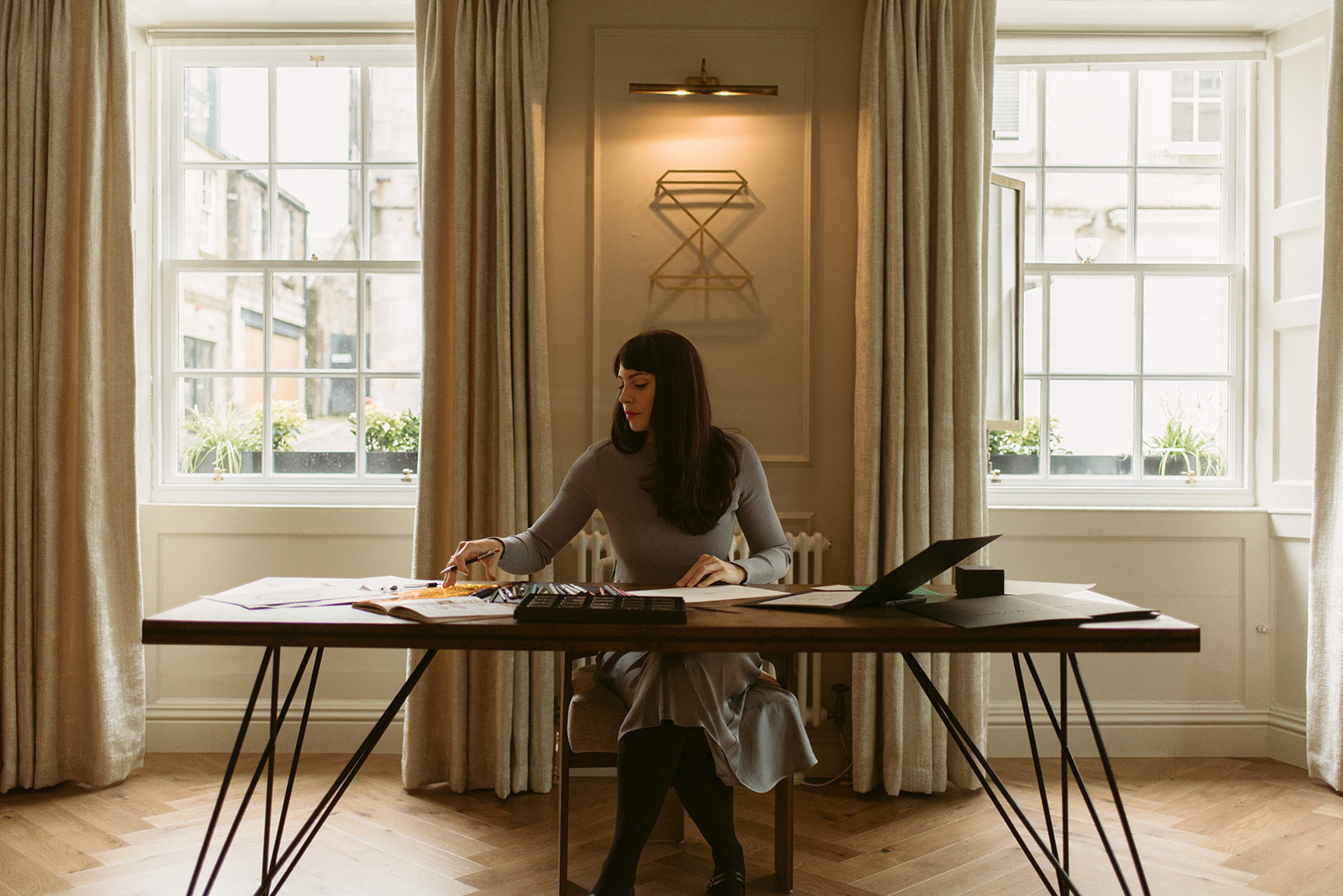
In my own studio, this is the approach that resonates most. I don’t design with explicit references to Scotland and I don't feel the need to. The heritage I draw from is more subtle - the value placed on local craftsmanship, the commitment to quality, the respect for materials and the landscapes they come from.
This is what heritage means to me. Not replication, but continuation. A way of making things well and making them matter.