



Gold prices have been making headlines recently. Sharp daily movements, big monthly jumps and plenty of speculation. But gold’s relationship with uncertainty isn’t a new thing and it’s not accidental.
For thousands of years, gold has played a particular role in society. It’s not issued by a government, it’s not backed by a central bank and it does not rely on the strength of any single economy. When confidence in currencies, markets or political stability begins to wobble, attention often shifts back to materials that sit outside those systems altogether.
Gold tends to rise in moments like these not because it’s suddenly fashionable, but because it’s trusted. It cannot be printed, diluted or quickly replaced. When currencies weaken gold has historically acted as a way of preserving value over time. While its price may move sharply in the short term, its long-term role as a store of value has remained remarkably consistent across centuries of change.
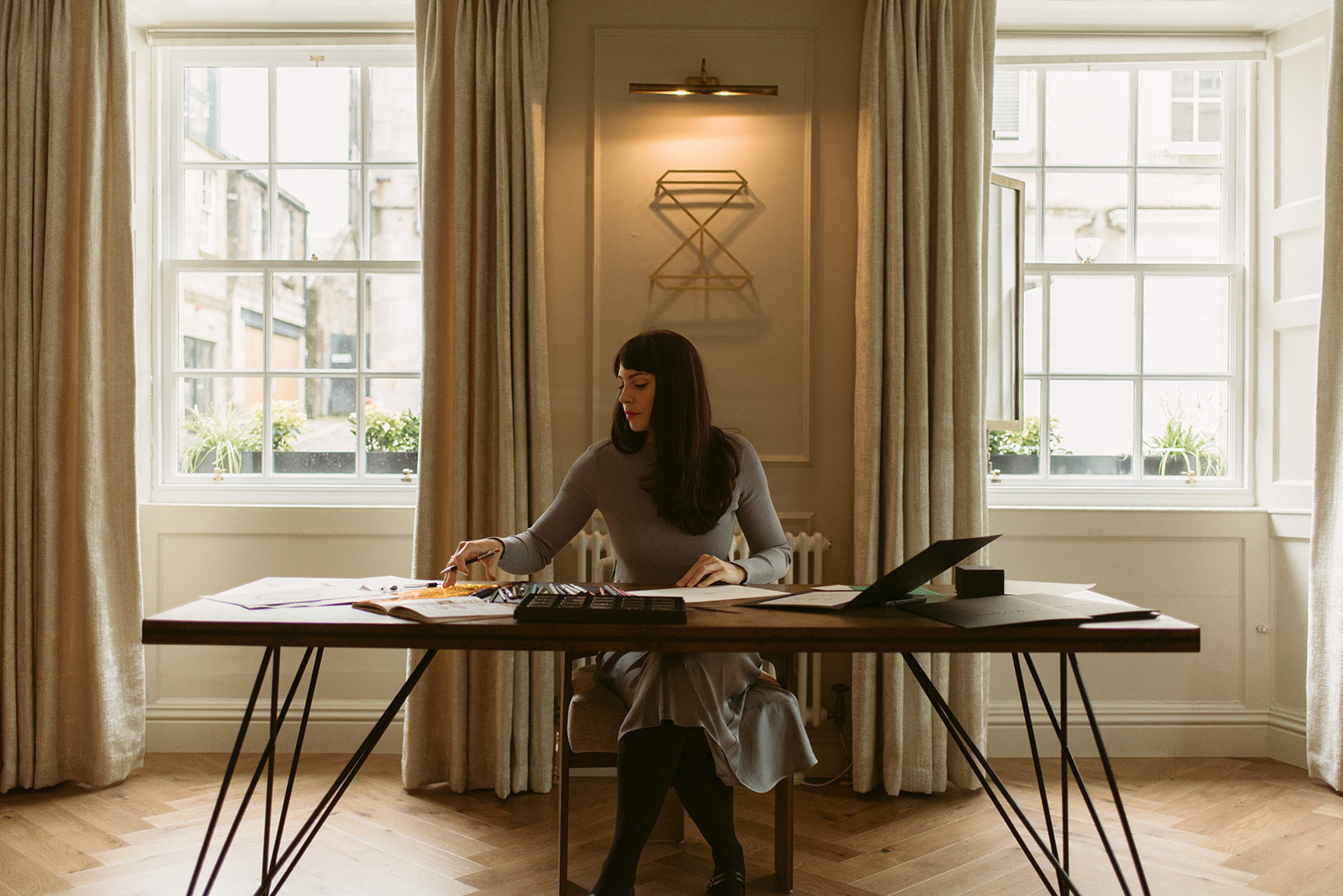
As someone who works with gold every day, I follow its movement closely. The price has always fluctuated, as any commodity does, but it seems to hold a particular place in our collective imagination. From childhood stories of pirates and treasure, to fairytales of golden palaces, to the jewellery worn and cherished by people we love; we grow up understanding that gold is rare, precious and worth holding on to.
There's also a psychological element at play. In unsettled periods, people often gravitate towards things that feel tangible and trusted. Gold carries an extraordinary weight of shared cultural memory; thousands of years of belief, ritual and symbolism that quietly reasserts itself when confidence elsewhere falters. It's a material that has survived the rise and fall of empires, the collapse of currencies, and the constant reinvention of the modern world.
For jewellery, this context matters.
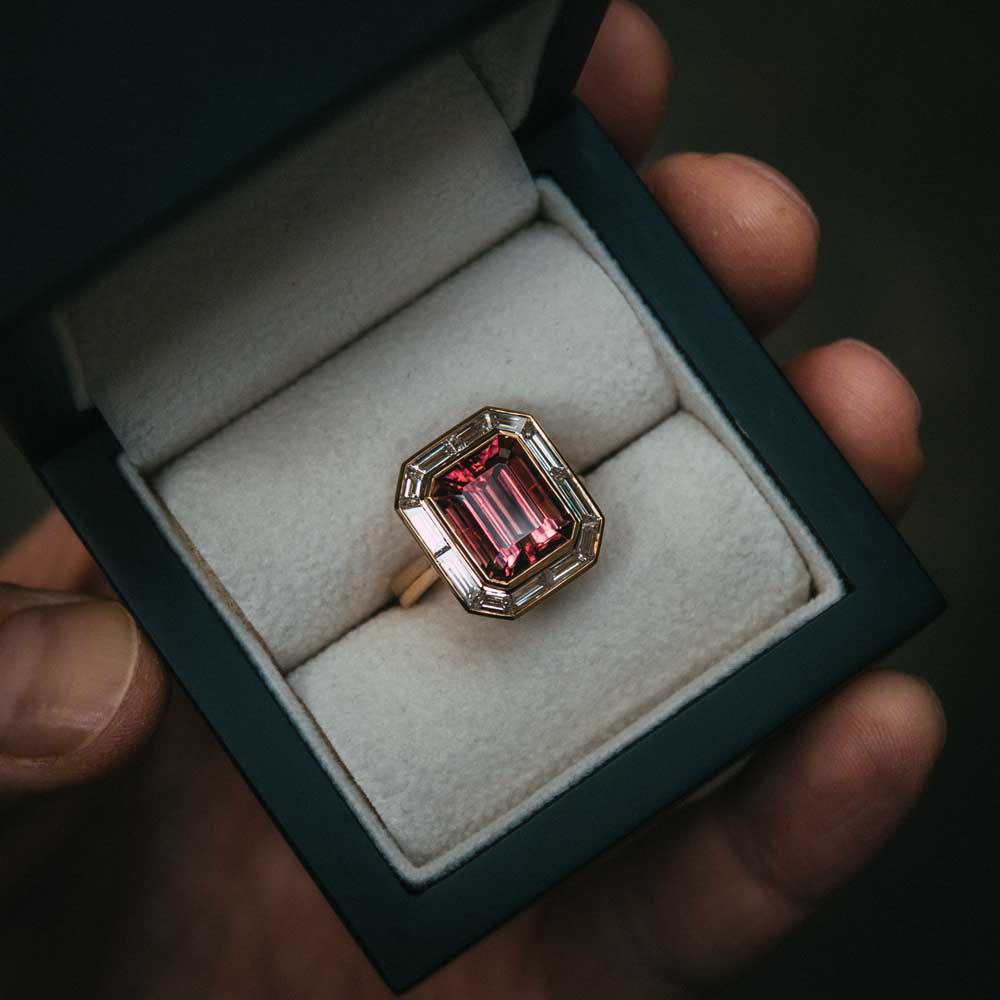
Gold jewellery sits somewhere between the emotional and the material. It isn’t simply decorative or purely financial. It is wearable and long-lasting by nature. Unlike many contemporary objects, it isn’t disposable. It can be reworked, handed down, and lived with over generations; carrying meaning as well as material value.
Rising gold prices are never easy for an industry built on craft; they make what is already a luxury more expensive, and sometimes less accessible. But they are not, in themselves, a signal of alarm. If anything, they serve as a reminder of why gold has always endured; not because it resists change, but because it outlasts it.